

Worldwide Selected Projects
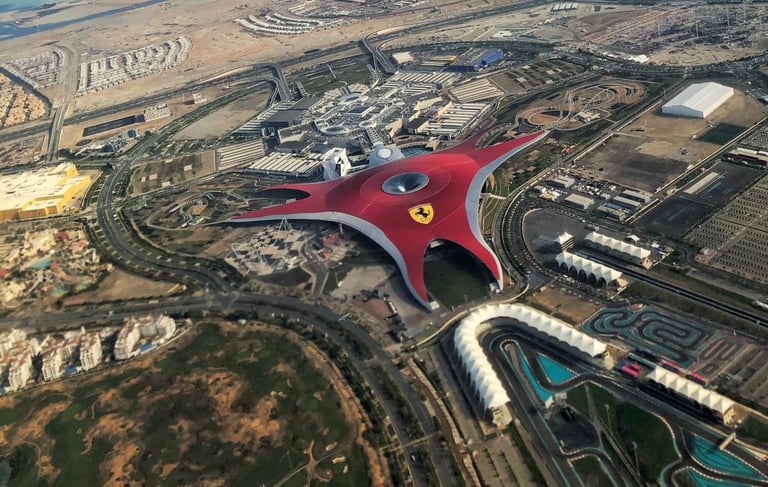
Ferrari World, Abu Dhabi.
Ferrari World Abu Dhabi stands as a premier global destination, representing the pinnacle of high-octane entertainment and architectural innovation. Located on Yas Island, it is the world’s first Ferrari-branded theme park and remains one of the largest indoor attractions of its kind.
The park was the protype for SPEED - The Vision as planned by Grant Leisure and Panorama located in Southern Spain. Beyond the adrenaline-fueled experiences, Ferrari World serves as a cultural and economic hub for Abu Dhabi, celebrating the heritage of Italian engineering and luxury. It consistently earns top global accolades, including being named the “World’s Leading
Theme Park,” reinforcing the UAE’s position as a front- runner in the global leisure and tourism industry.
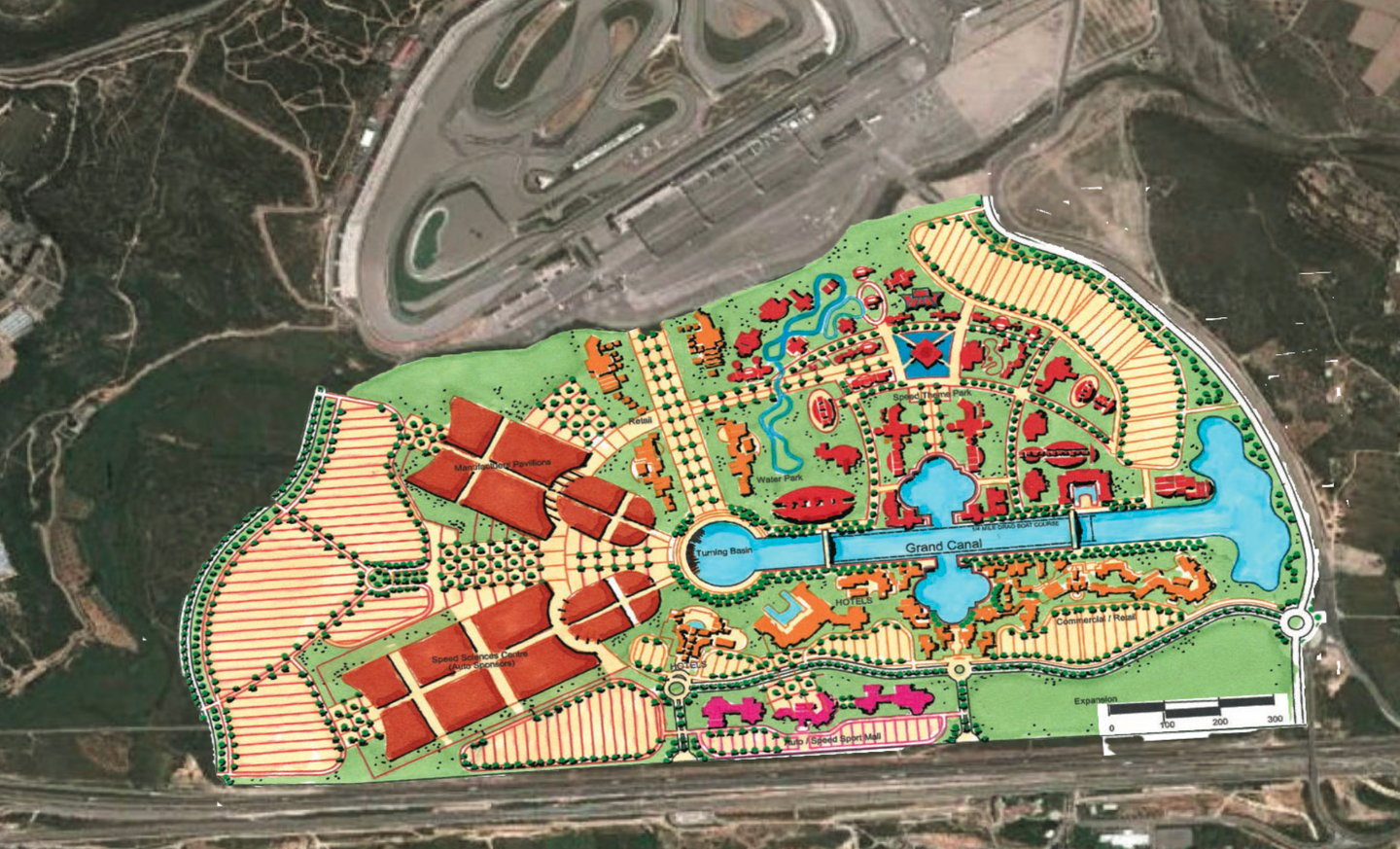
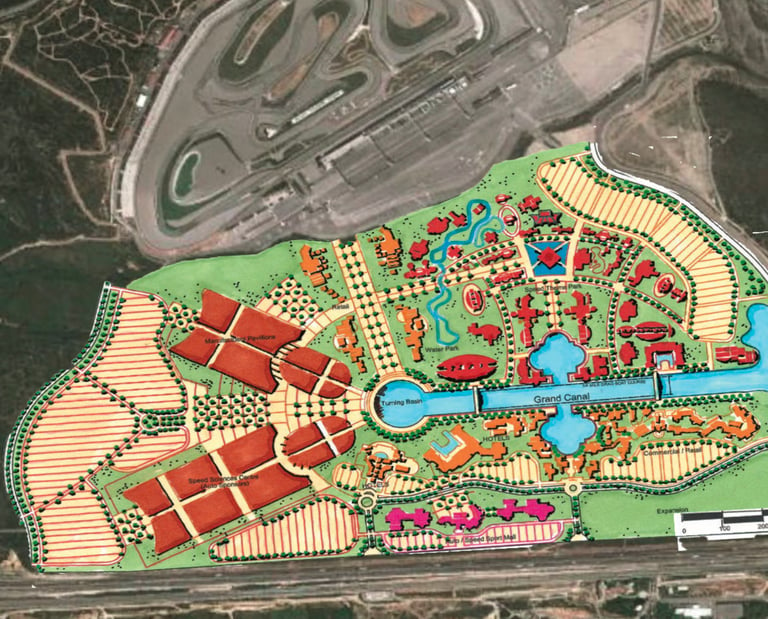
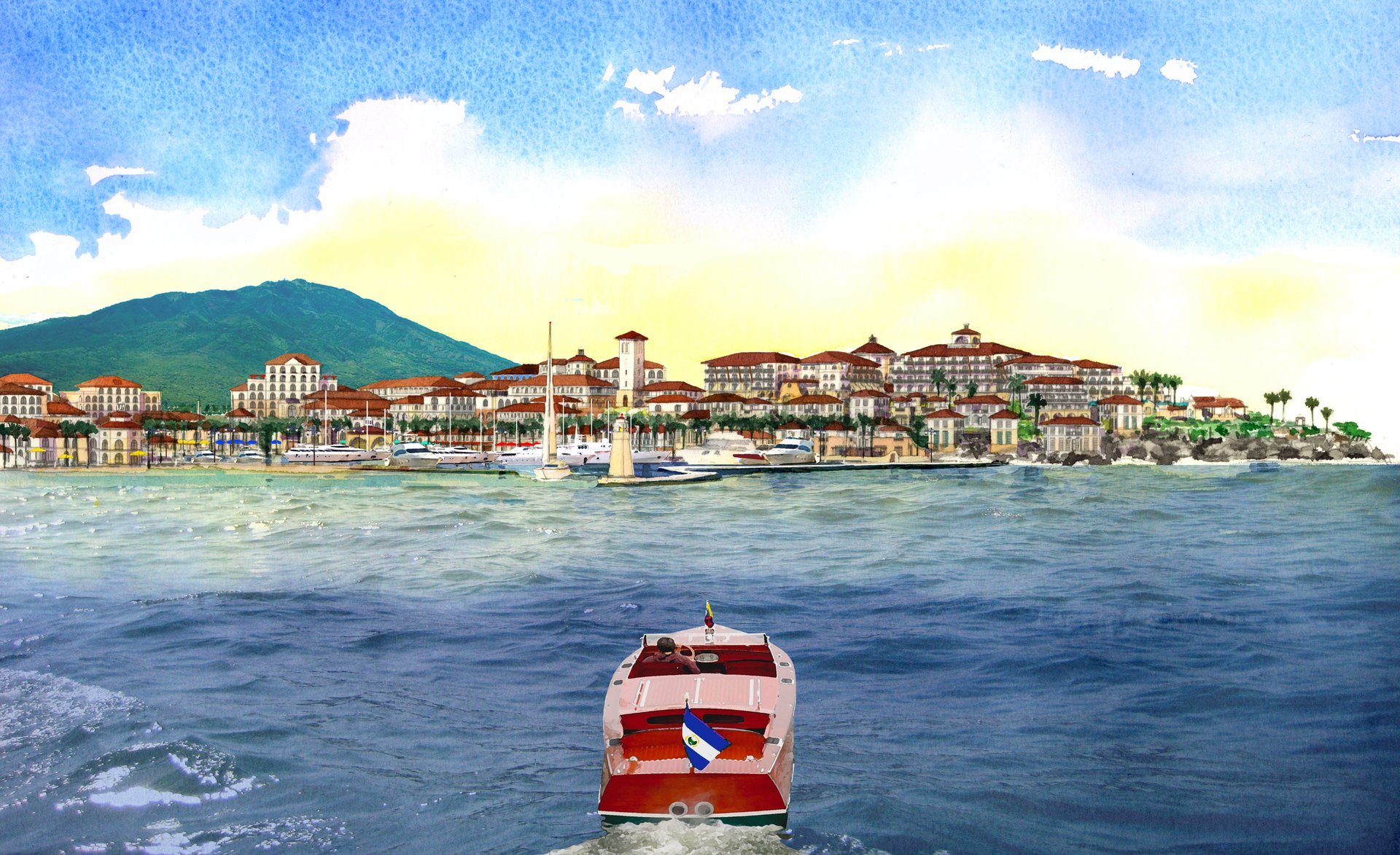
Speed - The Vision.
The project site is 5.5 kilometers west of the Valencia loop road and 25 kilometers west of the beach along the Balearic Sea.
The mixed-use project composes approximately 178 ha. (440 acres) and is south of the Circuit Ricardo Tormo and north of Autovia del Este (A-3). The site has 1,935 meters of frontage along Autovia del Este. The centerpiece or energy center of the mixed-use plan is an 11 ha (26 acre) Grand Canal reminiscent of the water basin at Versailles which can be a yearlong use.
The speed component features a ¼ mile drag boat course. Passive
uses of the Grand Canal include boat parades, gondolas, ferry cruises, nighttime boat cruises on motorized waterbuses that link hotels and restaurants/clubs to the turning basin at the west and the quiet serene lake to the east.
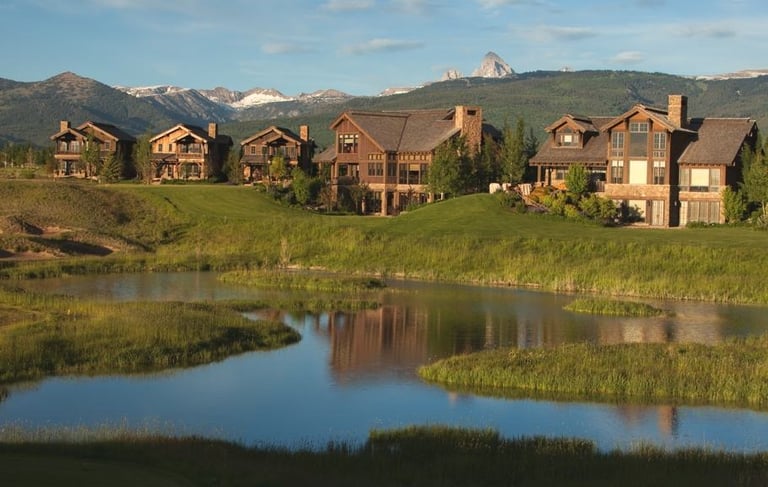
Huntsman Springs, United States.
Huntsman Springs, located in the pristine Teton Valley of Driggs, Idaho, represents a landmark achievement in luxury residential and resort development. Situated in the shadow of the majestic Grand Teton Mountains, this expansive 1,350-acre estate was designed to harmonize high-end living with the rugged beauty of the American West. The development is anchored by a world-renowned, David McLay Kidd-designed golf course, which has consistently earned accolades as one of the premier private courses in the United States. Its unique layout—featuring over 150 bunkers and intricate water features—was meticulously engineered to blend into the surrounding high-desert landscape while offering an unparalleled sporting experience.
Cancún, México.
Cancún stands as a landmark achievement in urban and tourism planning. Originally developed by the Mexican government’s development agency, FONATUR, it was designed to serve as a world-class resort city that harmonizes high-end hospitality with sustainable infrastructure.
What began as an ambitious blueprint transformed into one of the most successful tourism destinations globally. Today, the Cancún Master Plan supports a thriving city of 800,000 residents and features a vast network of over 100,000 hotel rooms. Beyond its capacity as a premier travel destination, Cancún is a cornerstone of the national landscape, serving as the second-largest contributor to the Mexican economy and a vital gateway for international commerce and cultural exchange.


Jijel, Algeria.
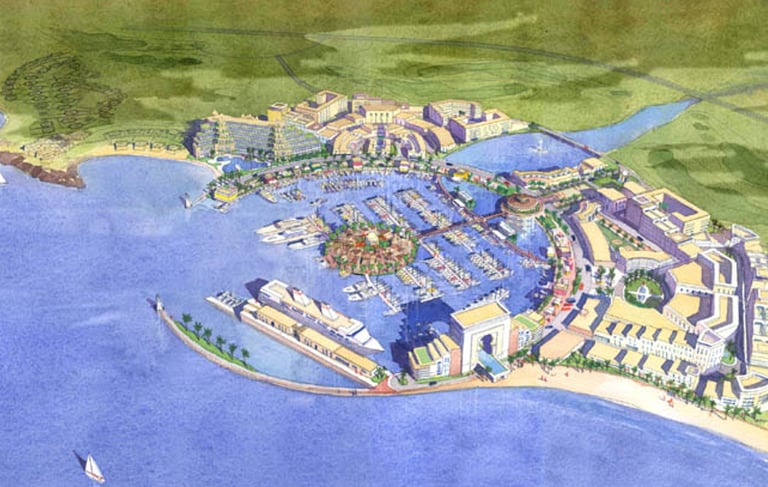
Jijel, strategically positioned on Algeria’s northeastern Mediterranean coast, represents a premier frontier for authentic, nature-oriented tourism development. Historically significant as a Phoenician trading post and later as the first capital of the Barbarossa brothers, the city serves as a vital cultural and economic bridge between the sea and the rugged Kabylie mountains. Its unique geography—where the lush forests of the Babor Mountains meet dramatic coastal cliffs and turquoise inlets—has positioned the region as a central focus of the Algerian government’s "Tourism Expansion Areas" initiative. This strategic planning aims to leverage Jijel’s 120-kilometer coastline to create a sustainable leisure hub that balances modern hospitality infrastructure with the preservation of its diverse ecosystems.
Le Castelas, France.
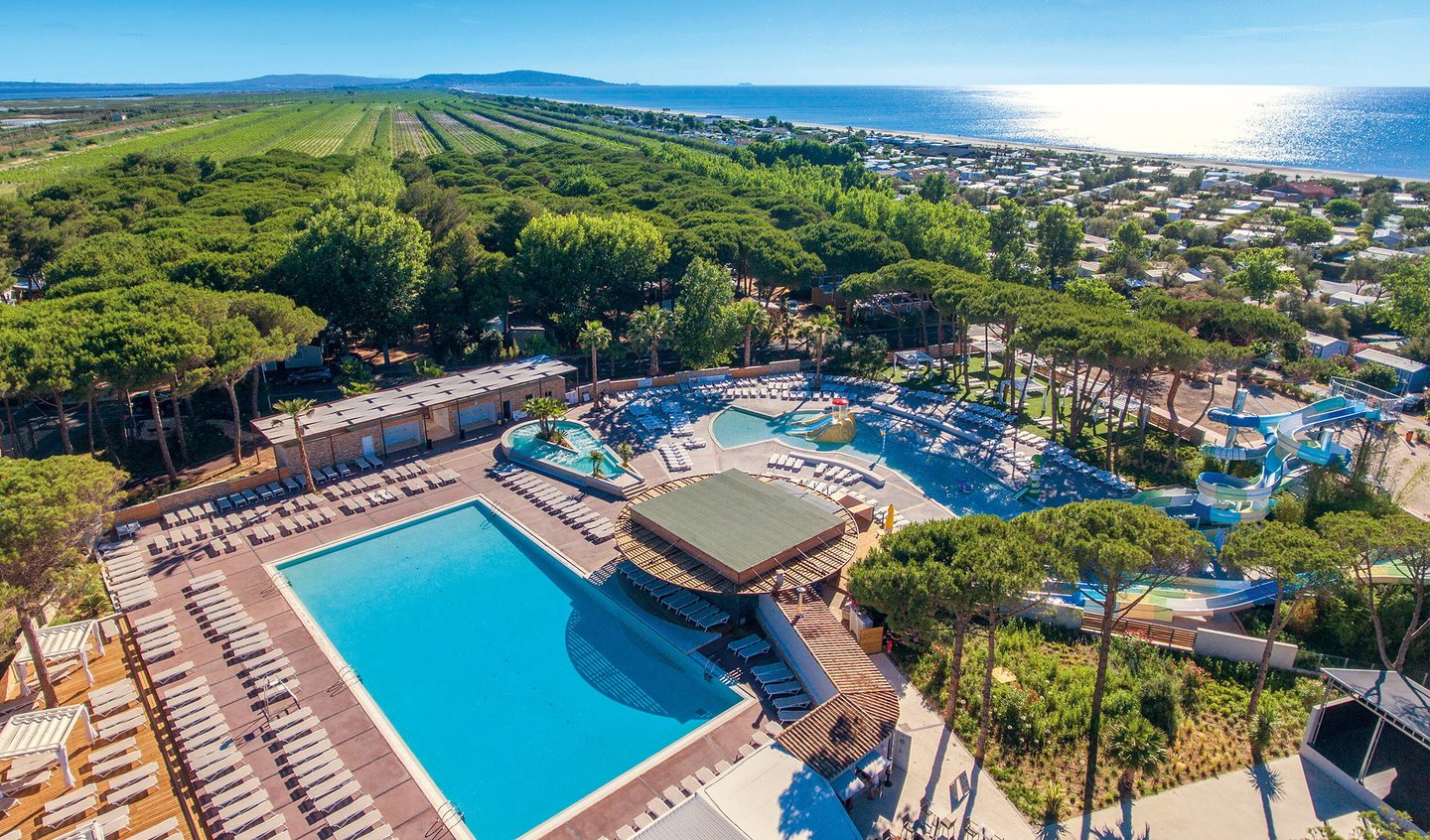
Le Castelas, situated in the heart of the picturesque Gard region of Southern France, serves as a testament to the seamless integration of historical preservation and luxury hospitality. This iconic site, overlooking the charming village of Collias and the Gardon River, is anchored by a collection of 17th-century buildings meticulously restored to reflect the architectural soul of the Languedoc-Provence border.
The estate is renowned for its commitment to "discreet luxury," where ancient stone structures and vaulted lounges meet contemporary artistry. As a premier destination in the French countryside, Le Castelas offers more than just refined accommodations; it provides a gateway to the UNESCO World Heritage site of the Pont du Gard. The property’s evolution from a historical residence into a world-class boutique hotel and gastronomic destination has played a pivotal role in elevating the region’s profile within the international luxury tourism market. Today, Le Castelas stands as a symbol of cultural heritage, where the tranquility of the French landscape is paired with an uncompromising standard of modern excellence.
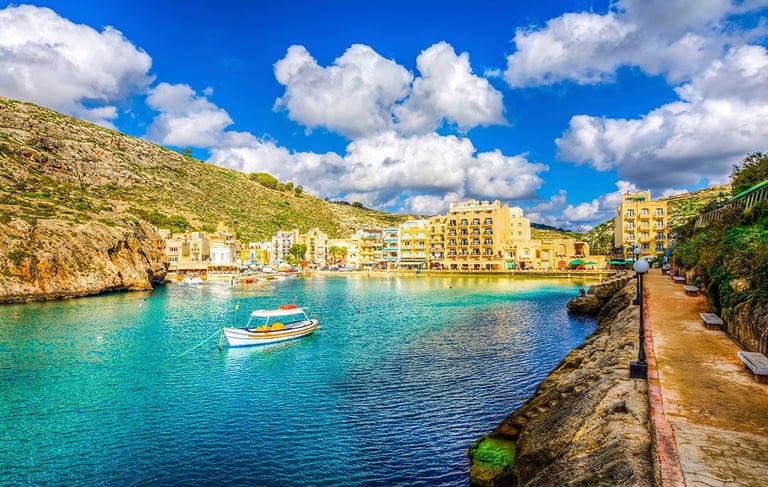
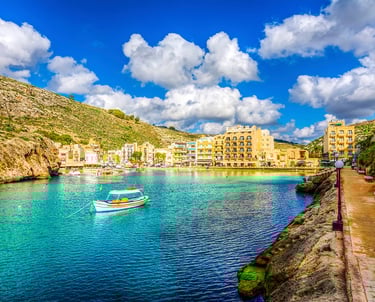
Xlendi, Malta.
Xlendi, situated on the southwest coast of the island of Gozo, represents one of the Maltese archipelago’s most distinctive and historically significant coastal destinations. Originally a tranquil fishing village nestled within a deep, reef-protected inlet, Xlendi has evolved into a premier leisure hub that balances its rugged natural topography with sophisticated tourism infrastructure.
Beyond its aesthetic appeal, Xlendi holds immense cultural value, anchored by the 17th-century Xlendi Tower, the oldest watchtower on Gozo, which stands as a sentinel over the bay’s entrance. Today, Xlendi serves as a vital component of Malta’s tourism economy, celebrated for its unique "firth-like" geography and its success in maintaining an authentic Mediterranean atmosphere while providing the high-end amenities required of a top-tier European resort destination.
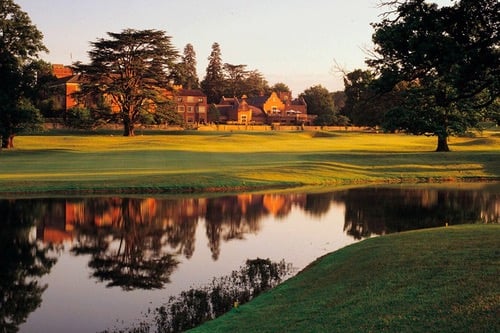
Hanbury Manor, England.
As a cornerstone of the United Kingdom’s luxury leisure market, Hanbury Manor is internationally recognized for its championship-level sporting facilities, most notably its Jack Nicklaus II-designed golf course. The estate’s strategic development has positioned it as a vital hub for both high-level corporate retreats and elite tourism, contributing significantly to the regional economy. By integrating a full-service spa and award-winning dining within a historic parkland setting, Hanbury Manor remains a benchmark for the successful adaptation of heritage assets into globally competitive tourism landmarks
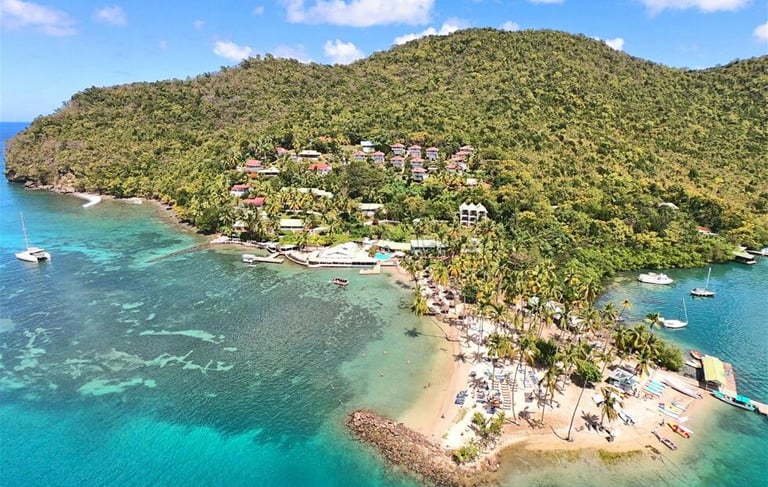
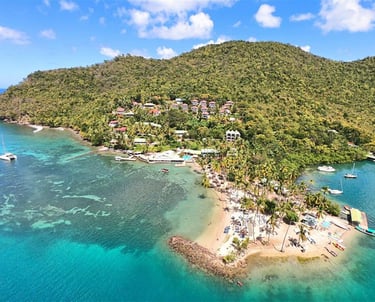
The Marigot Resort, St. Lucia.
Marigot Bay, located on the western coast of St. Lucia, has long been celebrated as "the most beautiful bay in the Caribbean," a distinction famously bestowed upon it by novelist James A. Michener. Historically significant as a strategic "hurricane hole" for naval fleets and later as a cinematic backdrop for major Hollywood productions, the bay represents a unique convergence of natural splendor and maritime heritage. The Marigot Bay Resort and Marina is the centerpiece of this iconic location, featuring a sophisticated architectural design that blends seamlessly into the lush, emerald hillsides. This high-end development has transformed the area into a premier global yachting destination, anchored by a world-class marina capable of hosting superyachts within its exceptionally sheltered waters.
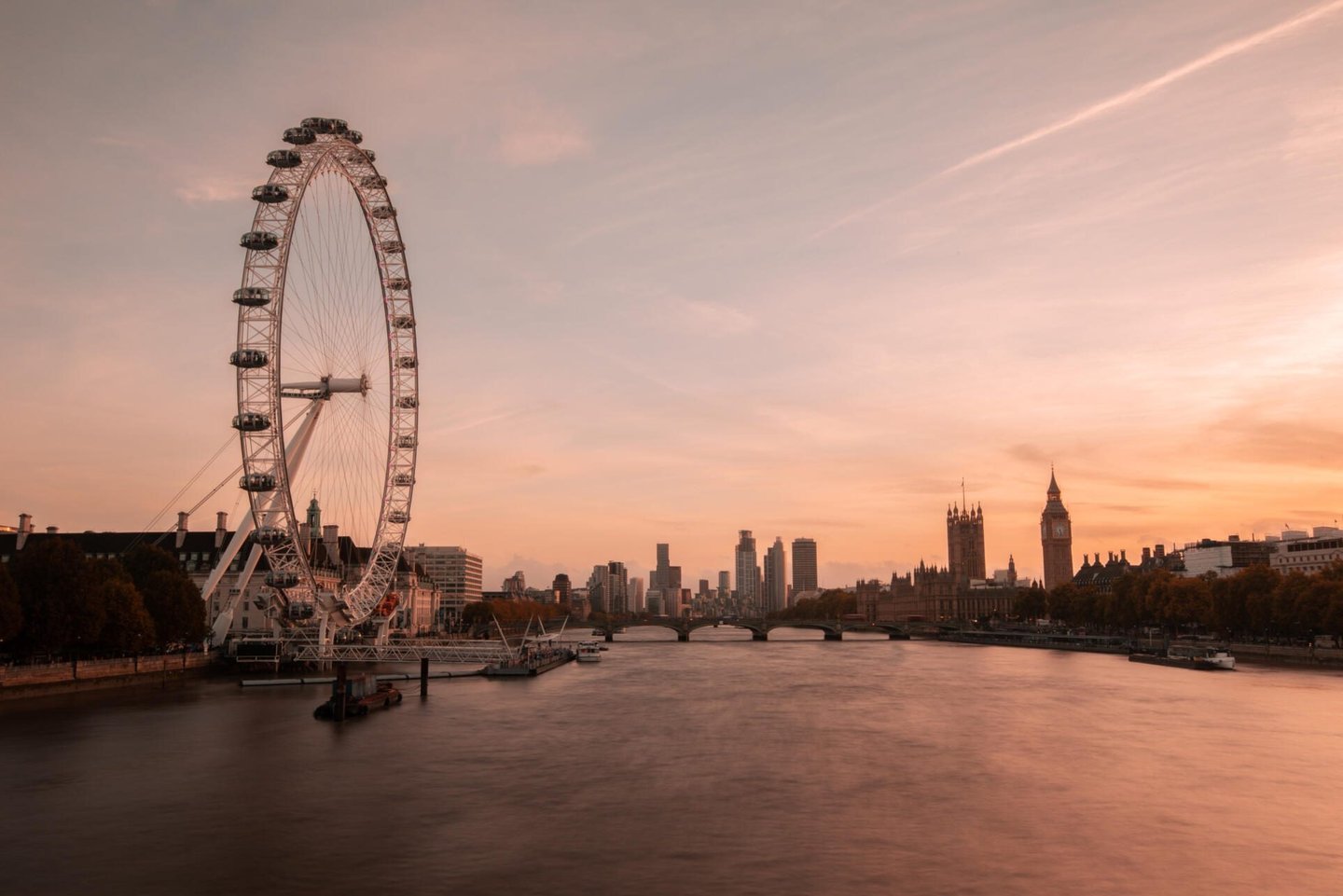
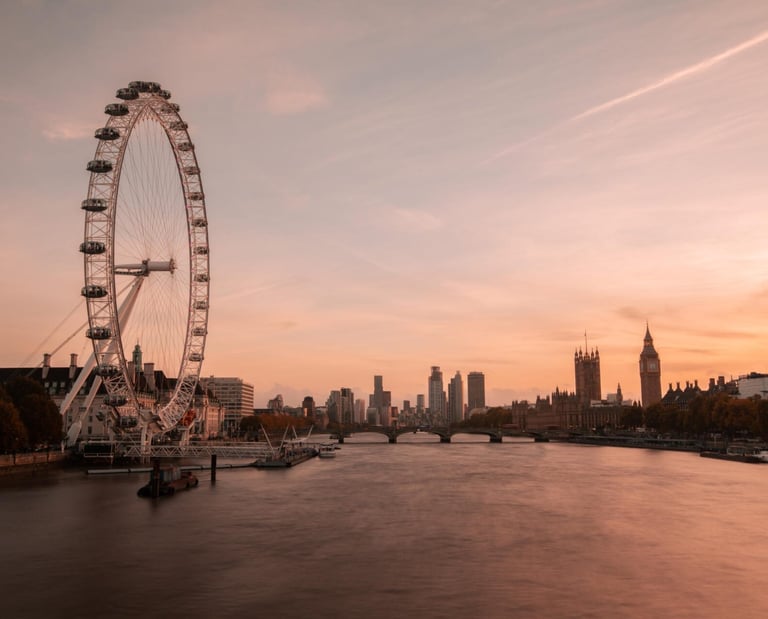
London Eye, England.
Beyond its striking silhouette, the London Eye has played a transformative role in the capital’s urban development.Originally intended as a temporary five-year installation, its overwhelming popularity and status as the United Kingdom’s most visited paid attraction secured its position as a permanent fixture on the London skyline. Today, it serves as more than just a leisure attraction; it is a vital catalyst for the regeneration of the South Bank and a global symbol of the city’s blend of historic grandeur and 21st-century innovation. From hosting cultural events to illuminating the capital during New Year’s celebrations, the Eye remains a centerpiece of London's identity and a primary gateway for international visitors.and operating strategy for this iconic attraction.
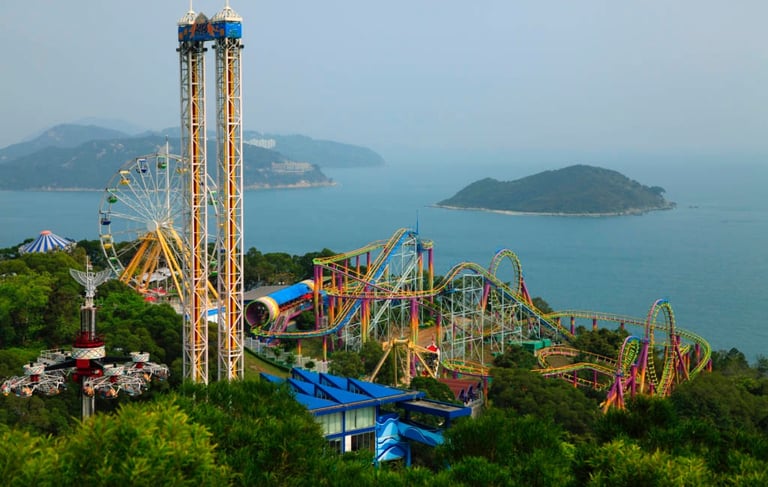
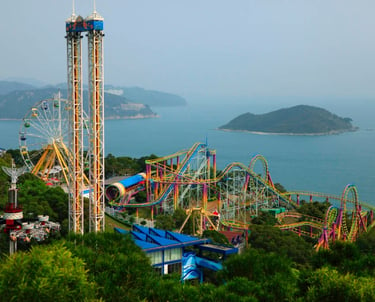
Ocean Park, Hong Kong.
As one of Asia’s most iconic attractions, Ocean Park is defined by its unique "edu-tainment" philosophy. It houses a diverse array of world-class animal exhibits, including the famous Giant Panda habitat, and features an extensive collection of marine life, such as the Grand Aquarium. Beyond its thrill rides and immersive attractions, the park operates as a non-profit organization dedicated to wildlife conservation and education. By consistently reinventing its facilities—most notably through major master redevelopment plans—Ocean Park remains a vital economic driver for Hong Kong and a global benchmark for marine-based tourism that prioritizes the delicate balance between public leisure and ecological responsibility.
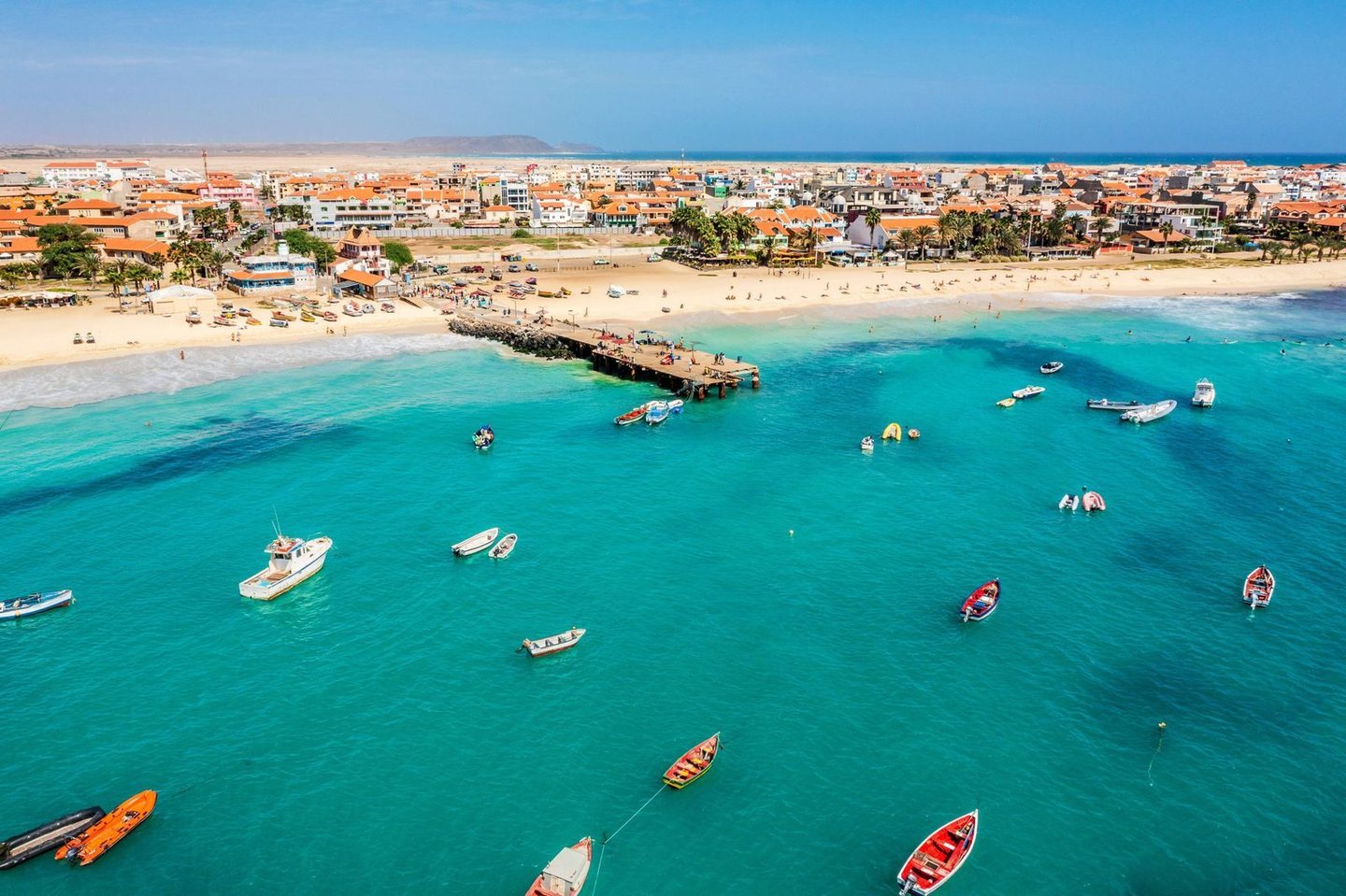
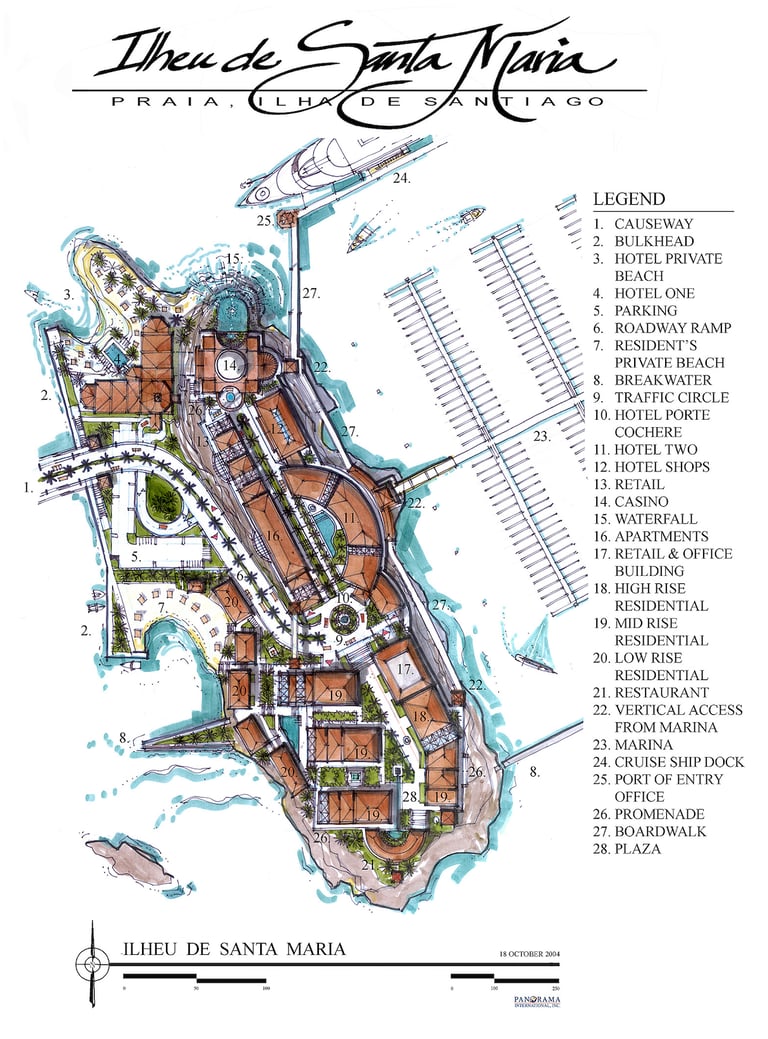
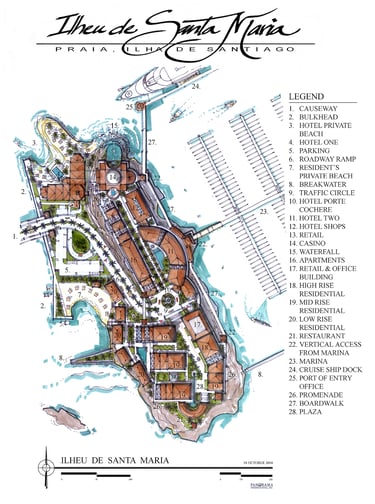
Praia Ilha de Santa Maria, Cape Verde.
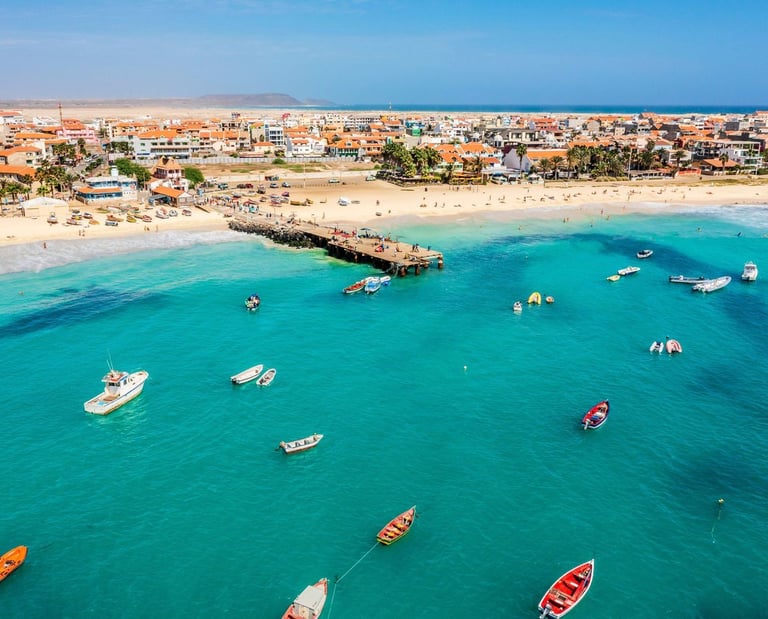
Today, Santa Maria represents the nexus of Cape Verde’s economic development and its international tourism strategy. The town masterfully balances its historical roots—visible in the bustling wooden pier where local fishermen land their daily catch—with a sophisticated hospitality infrastructure of high-end resorts and vibrant promenades. Renowned as a premier global hub for water sports, including windsurfing and kitesurfing, Santa Maria attracts a diverse international clientele while preserving the authentic "Morabeza" spirit of Cape Verdean hospitality. As the centerpiece of the island's tourism master plan, Santa Maria continues to evolve, solidifying its status as a sustainable and dynamic landmark in the Mediterranean-African cultural corridor.
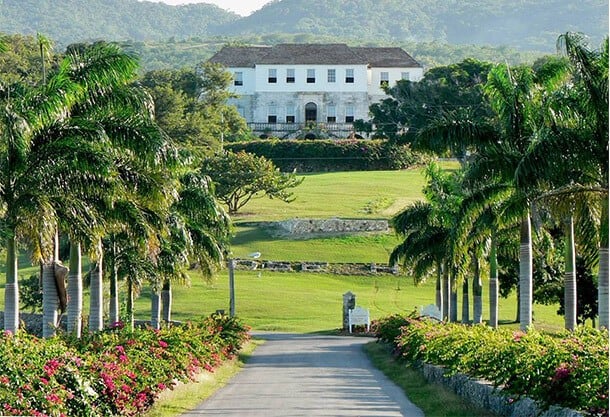
Rose Hall, Jamaica.
In the modern era, Rose Hall has evolved into a cornerstone of Jamaica’s luxury tourism infrastructure and a global icon of cultural folklore. It is world-renowned for the legend of the "White Witch," a narrative that has cemented the estate's status as a top-tier attraction for international travelers seeking a blend of history and mystery. Beyond the historic Great House, the 6,600-acre estate has been strategically developed into a multifaceted resort destination, featuring championship golf courses, high-end residential communities, and luxury hospitality venues. Recently recognized as the "Caribbean's Leading Tourist Attraction," Rose Hall continues to drive significant economic growth for Jamaica, balancing its role as a guardian of national heritage with its position as a forward-looking hub for sustainable luxury development.
Caribbean Region:
Anguilla
Antigua and Barbuda
Bahamas
Barbados
Bermuda
Bonaire
Cayman Islands
Curaçao
Dominica
Dominican Republic
Grenada
Guadeloupe
Jamaica
Puerto Rico
Saint Croix
Saint Kitts and Nevis
Sint Maarten
St. Lucia
St. Vincent
Turks and Caicos Islands
Mainland Americas:
Argentina
Belize
Brazil
Colombia
Costa Rica
El Salvador
Honduras
Mexico
Nicaragua
United States
Venezuela
Austria
France
Germany
Ireland
Portugal (Madeira)
Spain
United Kingdom (England, Scotland)
Algeria
Cape Verde
Egypt
Eritrea
Ghana
Morocco
South Africa
Hong Kong
Kazakhstan
Qatar
United Arab Emirates
The Americas
Europe
Africa
Asia
Global Experience: Local Insight
Contact
bontempo@panoramaworldwide.net
+1 (917) 660 6961
© 2025. PANORAMA WORLDWIDE LLC. All rights reserved.
Headquarters: 111 Congress Avenue suite 500. 78701 AUSTIN, TEXAS, UNITED STATES
Quick links